Yes its that time of year where we go on vacation. I am so looking forward to this time of rest. We are going back to Florida where we are from to visit our friends and family. I so pray that we can stay there. We live in a climate where it is so cold, snow, sleet and ice. The summer is wonderful though at times it is very cold and we have to put the fireplace on.
We are getting very anxious to be gone already as it is freezing here and we need to thaw out. Yes even with the fire going it is still cold and damp. Well enough of the gloom and doom. When I get back I will be adding new vintage to my websites, yes I do have a few of them as each one has its own special niche.
http://vintagerosecollectibles.chshops.com
http://katzzskloset.ecrater.com
http://cutsiekids.ecrater.com
http://outoftheattic2u.ecrater.com
http://twiceoverbooksnmore.ecrater.com
Check out what I have and if you see anything you may order it but please understand I will be away. We will be back on the 20th of Feb. We will see you then.
Sunday, January 31, 2010


Thursday, January 21, 2010
Goodness time is flying by already as the end of January is approaching. I have listed more Vintage Patterns and some Linens. I love these cute craft patterns which are really easy to make and will look so sweet in your home.
Some I have yet to list but will do when I come back from vacation. Going to see some sunshine in the sunshine state of Florida. I live in PA and it is grey mostly all winter long and sometimes during the other months also. When I return I will be adding some beautiful vintage handbags for you all to look at and give input. So until then will see you all when I come back


Some I have yet to list but will do when I come back from vacation. Going to see some sunshine in the sunshine state of Florida. I live in PA and it is grey mostly all winter long and sometimes during the other months also. When I return I will be adding some beautiful vintage handbags for you all to look at and give input. So until then will see you all when I come back


Thursday, January 14, 2010
Vintage Patterns
In the middle of last year I decided to list vintage patterns. Most of which are uncut and factory folded. The envelopes are not all perfect with some yellow with age, tears and creases but not so the patterns. Yes some of the instructions to the sewing patterns are slightly yellowed but still usable.
The patterns that I love are from the fifties, why I like that year is it was fun with all the new gadgets, changes in clothing styles yet peaceful and good clean fun. When I see the dress patterns I wish that we can turn the clock back and make them in style again. I also like the 60's and 70's fashions.
I have a few patterns from that era but am looking for more to list. Its always a challenge for me as I don't want to buy patterns that were cut and mostly from the vintage eras they are cut, torn and missing pieces. I want my customers to be the first to use the pattern and know that they are getting a good deal. Here are some of my patterns for you to look at, buy, comment on or do nothing at all.


Thursday, January 7, 2010
What Will Today Bring?
That is a question that needs answering. We all want to know in advance as to what the day will hold for us. I for one am wanting to do a new thing and today couldn't be a better day than to start.
I am cleaning up my websites, my blogs and yes my computer of all the stuff that is bogging it down. Sort of like a new beginning, taking out the old and adding the new. I am almost finished with my taxes (well the paper work) and will have it done early and not in April, now that is progress. After that is done I am free to get going in my new endeavors.
I am very excited to do my own blogs with an interest to you who love vintage and collectibles. I am going to research and make available to what I have found on any given subject. So this will be a new, exciting and fresh year for me and for you.
I have this cake plate and do not know much about it. Now if any one out there can help with its idenity I would be most grateful. I have it a few years and have done much research but I just can't find anything on it. I will continue to look in books, the internet and even possibly at the library, but if you know please don't hesitate to get in touch with me.


Monday, January 4, 2010
Happy New Years
Just wanting to wish everyone a Happy and Blessed New Year. Let this be a year of "New Things". For me I am changing the way I list my items, where I will advertise, what forum I will be involved with and hoping to make new friends.
It was a challenging past year with the ups and downs of the economy and what is in store for the future. I know we are hoping to sell our home and move back to Florida as the cold, snow and dampness is catching up to us here in PA.
I look forward in serving my old customers and my new ones.
This is short as I am not a writer, but I am going to learn as that is one of my challenges for this New Year.
Barbara
http://katzzskloset.ecrater.com
Wednesday, October 28, 2009
Living with Country Antiques: Fixing a Table with a Sticky Top
Living with Country Antiques: Fixing a Table with a Sticky Topby priceminer (09/29/09).
http://www.worthpoint.com/author/priceminer
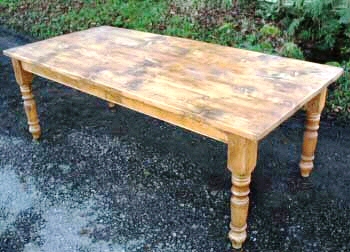

When trying to clean a country farm table, if simple soap and warm water doesn’t work, don’t despair, there are other options.
I received a letter from a reader, asking about a country farm table with a particular problem:
“We found it at an outdoor antiques show last fall. It sat in our garage until this spring, when we finally were able to use our new room. We didn’t cover the table because the garage is clean. Plus, we thought we’d be in the room sooner than we were. Anyway, the tabletop is so sticky with something; we really don’t even want it in our house! I didn’t notice that when we bought it. But, I didn’t check carefully because the table was the right size, and we loved it. Now, I don’t know what to do to make it usable. The top is pine, three boards wide, and doesn’t seem to have a finish on it. It’s a great color with wonderful patina. So, I don’t want to refinish it. Can you make any suggestions about what we can do to make the surface fit to use?”
This sounds like a nice table with a typical problem. Without seeing it, I would guess the top has years of wax, spilled food, and any number of other elements, which could become sticky. I’m fairly sure it didn’t happen while the table was being stored in your garage. You are right about not refinishing it. There is no need to be that drastic. Also, you’d ruin a lot of its charm if you refinished the top.
What you need to do is clean it. From your description, I doubt that simple warm water and soap will work. But have you tried that? When cleaning something like this tabletop, always begin with the simplest, least aggressive method. So, start with the easiest. Try washing the surface with dish detergent in very warm water, using a kitchen sponge: Scrub the wood with this soapy water. Then, rinse the surface with cool, clear water and wipe it dry. If you’re lucky, this will work, but don’t expect it to!
The next step is to try cleaning the top using vinegar. Pour some cheap, white vinegar into a plastic container. Then dip in a sponge and scrub the tabletop. Try cleaning one board at a time, going from one end to the other. Next, rinse with clear, warm water. After rinsing, wipe the surface dry. If that doesn’t do the job, go on to the next, more drastic method: cleaning with household ammonia.
When using ammonia, work outdoors or in an open area with good cross ventilation. I’m not sure inhaling this stuff is good for you. But, regardless of that, it’s very unpleasant. I use ammonia a great deal. It shouldn’t damage your pine top. However, to be on the cautious side, first test an area on the underside: Pour some ammonia into a plastic container. Then, with a pad of steel wool, rub the test area.
Rinse with cool water and wipe it dry. Allow the surface to completely dry before deciding whether or not to use ammonia on the top. It should be all right. But, it’s always better to check first to know you aren’t going to discolor the wood. Clean as you would with vinegar, one board at a time. Then, rinse with clear, cool water and wife dry.
The problem with the top probably is a combination of things. Along with the stuff I already mentioned, sitting in the garage possibly helped cause some of the stickiness. However, that doesn’t matter. What’s important is getting the surface usable and keeping it that way. You didn’t mention the base. I assume it isn’t suffering from the same problem. If it is, try cleaning it the same way, beginning with the least aggressive method.
If you’re able to clean the top with soapy water or vinegar, do the following: once the top is clean and thoroughly dry, use steel wool to lightly rub with the grain of the wood. Be especially careful that you don’t run into splinters. It’s easy to pick them up with steel wool. If you are rubbing vigorously and hit a splinter, it could do some real damage to your finger or hand. Be particularly careful where the boards join. Always check for loose wood, which could become a damaging splinter, before you start rubbing.
The reason for rubbing with steel wool is to take care of any raised wood grain, which the washing may have caused. Once the surface is smooth, apply a coat of good paste wax. If the top is fairly light in color, use white, or clear, wax. If the wood is dark and has lots of patina, use a darker or tart-colored wax. Apply it with a lint-free cloth. Then, buff the surface with a brush like one you would use on shoes. Once this has been done buff with a rag such as an old bath towel, rubbing with the wood grain. Again, be careful of splinters.
If you had to use ammonia, scrub the wood with white vinegar afterward. This will help wash away any ammonia residue. If all of this liquid washing has caused the grain of the wood to rise a great deal, you may have to sand the top. Water doesn’t always make grain rise, especially on old, well-worn surfaces like farm tabletops. However, after all of the scrubbing, if the wood feels like it has sand or grit on it, sand it with a fine sandpaper. I would use 120 grit. Then, depending upon how the surface feels, you either can use steel wool or proceed right to the wax. If it’s smooth after the sanding, skip the steel wool.
Once the top has been waxed, you shouldn’t have any more sticky problems. All you will need to do to care for the surface is wipe it after every meal with a damp, not wet, cloth. If something is spilled, wipe it up right away. Depending upon how hard you are on the top, you will need to wax the surface only once a year. I would do it each spring or early summer, before the arrival of higher humidity.
If you are watchful about spills and protect the surface from hot containers right out of the oven or off the grill, there is no need to coat the tabletop with anything other than wax. After all, it isn’t a Chippendale banquet table! Enjoy the simplicity of this country piece!
— by Lew Larason
Saturday, September 26, 2009
Regular Maintenance for Antique Furniture – a List of ‘Should Do’s’
Regular Maintenance for Antique Furniture – a List of ‘Should Do’s’
by Fred Taylor (09/22/09).
Over the last 30 years of repairing and restoring antique and collectible furniture, many questions have come from my customers about the little things that should or should not be done on a regular basis to care for their prize possessions. Much of this information is just “common sense,” but many of us are so busy in our everyday lives that we don’t have time to worry about the details. Here’s the first installment (of two) of a short guide to remind you of the “little stuff” that may help prevent your having to spend money on the “big stuff.”
Things you SHOULD do:
Custom made table pads have a heat resistant core, a soft “meet the furniture” side and a waterproof upper crust.
• Wax your furniture. The basic care of furniture in relatively good condition includes cleaning with mineral spirits (paint thinner to remove old dirt, wax and oil—no it won’t hurt the existing finish, different chemistry). After wiping down with spirits allow the piece to dry overnight. Then apply a thin coat of paste wax; BriWax or Howard’s works well. Use tinted wax to enhance the color. After that, dry dust only. Reapply wax once a year. Do not use any other polish and do not use product that contains oil of any sort or silicone—nothing but paste wax. Period. Also remember that the grocery store does not sell any product that has to do with furniture maintenance.
• Rotate your dining room table once a year. Pick a date, like your birthday or a holiday and turn the table around. You can also do this with your breakfast table, kitchen chairs, even the family room coffee table. Remember that furniture exposed to strong light will fade and the finish may even start to disintegrate. Excessive wear from using one spot more than another, on a dining table or coffee table for example, will decrease the life of your furniture and may require you to spend big money to repair the damage. Also consider covering your furniture with sheets or closing curtains or blinds in bright rooms that you are not using, especially when you are going to be away from home for awhile.
• Put felt cloth or discs beneath lamps, vases and other decorative items you set on your furniture. Since the bottoms of brass lamps etc. are rarely silky smooth, the felt may save your furniture from being scratched and the finish damaged. Felt can even be purchased in pre-cut shapes so the whole project may only take a few minutes. This also works to protect hardwood floors from the tips of your furniture.
• Use two people to move the bed. Sometimes beds have to be moved to clean under and around them and at that time they are at risk. Over the years, we have repaired many beds that one person had attempted to move alone. The usual outcome is a broken or severely weakened bed frame. The bedposts usually crack or break where the side rails fit in to the headboard or footboard. Sometimes the rails themselves break or lose the metal fittings embedded in the ends. It is very difficult if not impossible for one person to move a bed without stressing the joints.
A piece of glass almost always has a microscopically thin layer of moisture on the surface. This moisture will “grow” to the finish on furniture sticking the glass to the piece resulting in finish damage when the glass is removed. Allowing air to circulate under the glass using spacers like this clear disc eliminates that problem.
• Purchase glass cut to size for the tops of your night stands, end tables or coffee tables. This is especially important if you tend to set glasses on your furniture or entertain frequently. You can make a pattern or have a glass company come out and make a pattern. This will add years to the life of the furniture. Also, don’t forget to use clear plastic discs (about the size of a nickel and available from the glass company) between the furniture and the glass so that the finish can breathe.
• Invest in proper table pads to cover your dining room table. Put a tablecloth over the pads and THEN you can use placemats or other coverings if you choose. Lots of folks think that putting a table cloth directly on the table is enough protection. Unfortunately the moisture from a glass or the heat from a casserole dish will go right through the tablecloth (or a placemat) and into the finish on the table. Remember that your guests are there to enjoy your company and not to look at the dining table so cover it and protect your investment.
• Purchase a can of silicone lubricant. If possible try to find “food grade” silicone from a fabric or hardware store. (You can find it here.) Use this spray when you have a dresser drawer that is giving you problems each time you open and close it. Pull out the problem drawer and make sure that the wooden runner is not completely worn down or that a part isn’t missing. Then by simply spraying the bottoms of your drawers on the runner and the corresponding case runner(s), you will find the drawer will open and close more easily. Beeswax works as well for this application but once you buy a can of silicone you will find 1,000 other uses for it.
• Take a video or photographic inventory of your household goods. Hire someone to do this for you if you have to. This way you will have a record of your belongings should you have a personal emergency. Keep a copy of the video or photos on a disk in a safe deposit box or family safe. Also consider having any valuable furniture appraised by a certified appraiser. Keep a copy of the appraisal and pictures in a safe place. You may need to consider purchasing additional contents coverage on your homeowner’s policy based on the appraisal results.
• Visit the craftsman. If you are considering having a piece of furniture repaired or restored, go visit the location of the business you are planning to use. Ask to see some of the work in progress and ask for and follow up on references. Always give the shop a match drawer, door or whatever you want your piece to resemble when it is finished. This will help the shop determine the color and sheen for the restored piece.
• Number all the drawers in a chest of drawers, dresser or buffet. That way the next time you move, you won’t have to worry about where each drawer fits. Also remove keys and pack in a safe place.
Most good libraries have an abundance of furniture reference books. Take advantage of them but don’t believe everything you read. Be selective.
• Read all you can to learn more about your furniture. The library is full of books covering periods, styles and ages and learning the history of how, when, where and what materials were used to make a piece of furniture can add to your enjoyment of the piece. A suggested antique furniture reading list is posted on my Web site: How To Be A Furniture Detective. Just scroll down half way.
• Find someone knowledgeable about furniture and let that person be your guide. That person may be a dealer you trust, a craftsman who has done good work for you or just a friend but whoever it is make sure they know more than you do about furniture. That way when you have an important decision to make, you already have a place to seek guidance.
Next time a list of DON’TS.
——————————–
Fred Taylor is a antique furniture Worthologist who specializes in American furniture from the Late Classicism period (1830-1850).
Visit Fred’s website at http://www.furnituredetective.com/. His book “How To Be A Furniture Detective” is now available for $18.95 plus $3 shipping. Send check or money order for $21.95 to Fred Taylor, PO Box 215, Crystal River, FL 34423.
Fred and Gail Taylor’s DVD, “Identification of Older & Antique Furniture,” ($17 + $3 S&H) and a bound compilation of the first 60 columns of “Common Sense Antiques,” by Fred Taylor ($25 + $3 S&H) are also available at the same address. For more information call 800-387-6377, fax 352-563-2916, or e-mail info@furnituredetective.com.
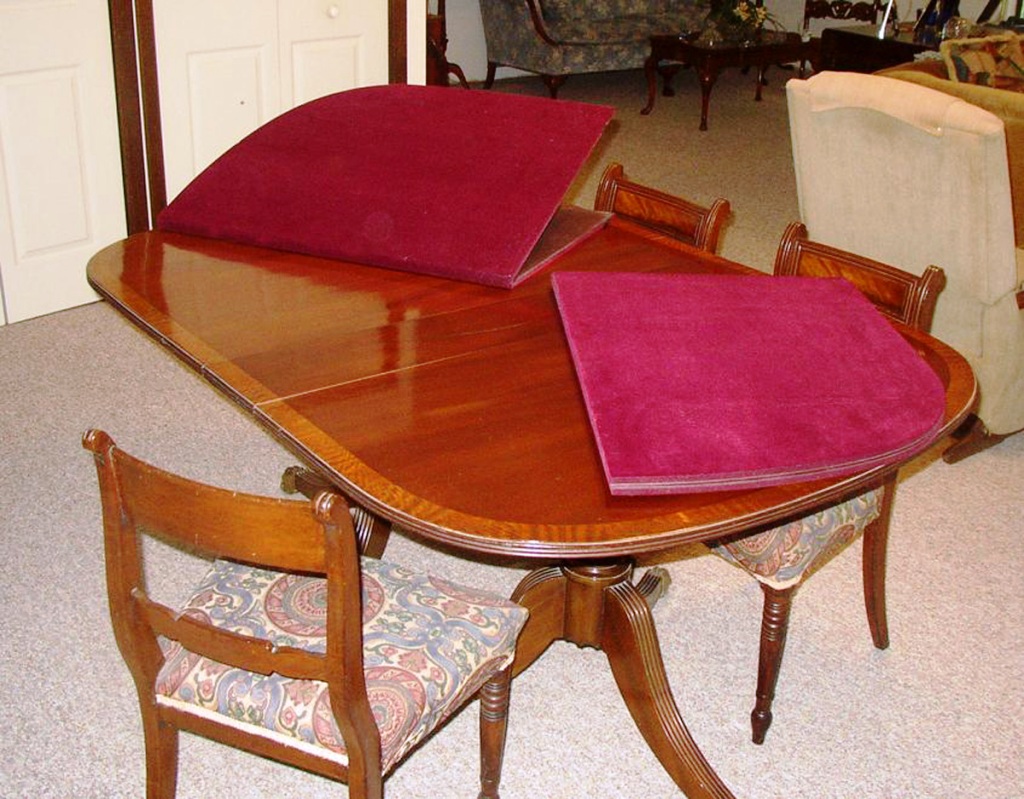
Custom made table pads have a heat resistant core, a soft “meet the furniture” side and a waterproof upper crust.
• Wax your furniture. The basic care of furniture in relatively good condition includes cleaning
 with mineral spirits (paint thinner to remove old dirt, wax and oil—no it won’t hurt the existing finish, different chemistry). After wiping down with spirits allow the piece to dry overnight. Then apply a thin coat of paste wax; BriWax or Howard’s works well. Use tinted wax to enhance the color. After that, dry dust only. Reapply wax once a year. Do not use any other polish and do not use product that contains oil of any sort or silicone—nothing but paste wax. Period. Also remember that the grocery store does not sell any product that has to do with furniture maintenance.
• Rotate your dining room table once a year. Pick a date, like your birthday or a holiday and turn the table around. You can also do this with your breakfast table, kitchen chairs, even the family room coffee table. Remember that furniture exposed to strong light will fade and the finish may even start to disintegrate. Excessive wear from using one spot more than another, on a dining table or coffee table for example, will decrease the life of your furniture and may require you to spend big money to repair the damage. Also consider covering your furniture with sheets or closing curtains or blinds in bright rooms that you are not using, especially when you are going to be away from home for awhile.
• Put felt cloth or discs beneath lamps, vases and other decorative items you set on your furniture. Since the bottoms of brass lamps etc. are rarely silky smooth, the felt may save your furniture from being scratched and the finish damaged. Felt can even be purchased in pre-cut shapes so the whole project may only take a few minutes. This also works to protect hardwood floors from the tips of your furniture.
• Use two people to move the bed. Sometimes beds have to be moved to clean under and around them and at that time they are at risk. Over the years, we have repaired many beds that one person had attempted to move alone. The usual outcome is a broken or severely weakened bed frame. The bedposts usually crack or break where the side rails fit in to the headboard or footboard. Sometimes the rails themselves break or lose the metal fittings embedded in the ends. It is very difficult if not impossible for one person to move a bed without stressing the joints.

A piece of glass almost always has a microscopically thin layer of moisture on the surface. This moisture will “grow” to the finish on furniture sticking the glass to the piece resulting in finish damage when the glass is removed. Allowing air to circulate under the glass using spacers like this clear disc eliminates that problem.
• Purchase glass cut to size for the tops of your night stands, end tables or coffee tables. This is
 especially important if you tend to set glasses on your furniture or entertain frequently. You can make a pattern or have a glass company come out and make a pattern. This will add years to the life of the furniture. Also, don’t forget to use clear plastic discs (about the size of a nickel and available from the glass company) between the furniture and the glass so that the finish can breathe.
• Invest in proper table pads to cover your dining room table. Put a tablecloth over the pads and THEN you can use placemats or other coverings if you choose. Lots of folks think that putting a table cloth directly on the table is enough protection. Unfortunately the moisture from a glass or the heat from a casserole dish will go right through the tablecloth (or a placemat) and into the finish on the table. Remember that your guests are there to enjoy your company and not to look at the dining table so cover it and protect your investment.
• Purchase a can of silicone lubricant. If possible try to find “food grade” silicone from a fabric or hardware store. (You can find it here.) Use this spray when you have a dresser drawer that is giving you problems each time you open and close it. Pull out the problem drawer and make sure that the wooden runner is not completely worn down or that a part isn’t missing. Then by simply spraying the bottoms of your drawers on the runner and the corresponding case runner(s), you will find the drawer will open and close more easily. Beeswax works as well for this application but once you buy a can of silicone you will find 1,000 other uses for it.
• Take a video or photographic inventory of your household goods. Hire someone to do this for you if you have to. This way you will have a record of your belongings should you have a personal emergency. Keep a copy of the video or photos on a disk in a safe deposit box or family safe. Also consider having any valuable furniture appraised by a certified appraiser. Keep a copy of the appraisal and pictures in a safe place. You may need to consider purchasing additional contents coverage on your homeowner’s policy based on the appraisal results.
• Visit the craftsman. If you are considering having a piece of furniture repaired or restored, go visit the location of the business you are planning to use. Ask to see some of the work in progress and ask for and follow up on references. Always give the shop a match drawer, door or whatever you want your piece to resemble when it is finished. This will help the shop determine the color and sheen for the restored piece.
• Number all the drawers in a chest of drawers, dresser or buffet. That way the next time you move, you won’t have to worry about where each drawer fits. Also remove keys and pack in a safe place.
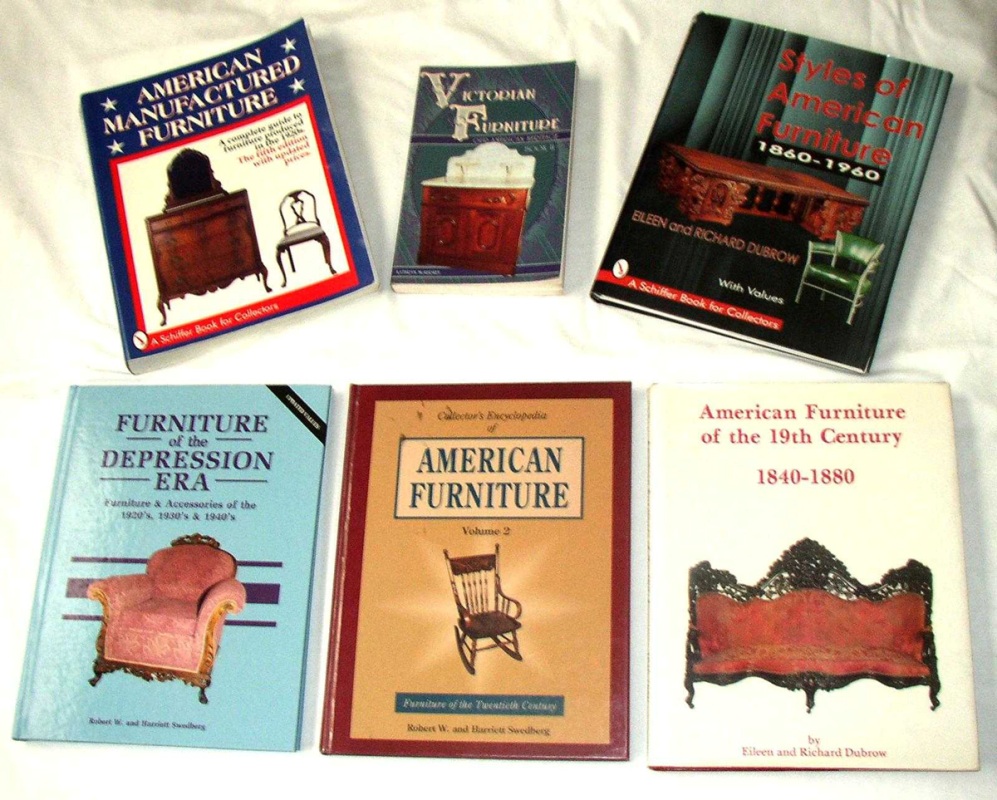
Most good libraries have an abundance of furniture reference books. Take advantage of them but don’t believe everything you read. Be selective.
• Read all you can to learn more about your furniture. The library is full
 of books covering periods, styles and ages and learning the history of how, when, where and what materials were used to make a piece of furniture can add to your enjoyment of the piece. A suggested antique furniture reading list is posted on my Web site: How To Be A Furniture Detective. Just scroll down half way.
• Find someone knowledgeable about furniture and let that person be your guide. That person may be a dealer you trust, a craftsman who has done good work for you or just a friend but whoever it is make sure they know more than you do about furniture. That way when you have an important decision to make, you already have a place to seek guidance.
Next time a list of DON’TS.
——————————–
Fred Taylor is a antique furniture Worthologist who specializes in American furniture from the Late Classicism period (1830-1850).
Visit Fred’s website at http://www.furnituredetective.com/. His book “How To Be A Furniture Detective” is now available for $18.95 plus $3 shipping. Send check or money order for $21.95 to Fred Taylor, PO Box 215, Crystal River, FL 34423.
Fred and Gail Taylor’s DVD, “Identification of Older & Antique Furniture,” ($17 + $3 S&H) and a bound compilation of the first 60 columns of “Common Sense Antiques,” by Fred Taylor ($25 + $3 S&H) are also available at the same address. For more information call 800-387-6377, fax 352-563-2916, or e-mail info@furnituredetective.com.
Subscribe to:
Posts (Atom)